• How to Make Your Home Smell Expensive: 12 Secrets Interior Designers Never Share

    How to Make Your Home Smell Expensive: 12 Secrets Interior Designers Never Share

    Last updated: June 2026 | 8 min read

    Have you ever walked into a luxury hotel, a high-end boutique, or a friend’s beautifully decorated home and immediately thought — what is that smell?

    That reaction isn’t an accident. It’s intentional. And the good news? You can recreate it in your own home without spending a fortune.

    In this guide, I’m sharing 12 little-known secrets that interior designers, scent consultants, and five-star hotels use to make spaces smell undeniably expensive. No overpowering air fresheners. No cheap plug-ins. Just effortless, lingering luxury.

    Why Does “Expensive” Even Have a Smell?

    Before we dive in, here’s something fascinating: scent is the most powerful of the five senses when it comes to emotion and memory. Luxury brands have known this for decades.

    The Ritz-Carlton. The Four Seasons. Even Abercrombie & Fitch in their heyday. They all invest heavily in signature scenting because they know: when you smell something beautiful, you feel something beautiful.

    The ingredients that tend to signal “wealth” to our brains? Think sandalwood, oud, white tea, cedar, cashmere, and warm vanilla — deep, smooth, and complex notes that don’t shout but linger.

    The 12 Secrets

    1:Layer Your Scents Like a Perfumer (Not a Cleaner)

    This is the #1 mistake people make: using one single product and expecting a luxury result.

    Professional scent designers layer three levels:

    • Base notes (last longest): candles with sandalwood, oud, amber, or musk
    • Middle notes (the heart): a diffuser with jasmine, rose, or cedarwood
    • Top notes (first impression): a linen spray with bergamot, citrus, or fresh linen

    The result is a complex, evolving scent — exactly like a fine perfume. Start with your base candle, add a diffuser for the middle layer, and finish with a quick linen spray before guests arrive.

    2:The “Cold Throw” Test: Buy Smarter

    When shopping for candles, most people smell them while they’re burning (called “hot throw”). But the real trick? Smell unlit candles first.

    A high-quality candle should smell beautiful even cold. If it only smells strong when burning, it’s likely packed with synthetic fragrance that will give you a headache — not a luxury experience.

    Candles with coconut wax or beeswax and fragrance loads above 10% are your best bet. Soy is good too, but burns slightly cooler.

    3:Place Scent at the Right Height

    Here’s something most people never think about: scent rises.

    If you place a candle or diffuser on the floor, the fragrance pools low and dissipates. But place it at waist to chest height — on a coffee table, console, or sideboard — and the scent naturally drifts upward and outward, filling the room evenly.

    For bedrooms, nightstand height is perfect. For living rooms, a central coffee table or mantle works beautifully.

    “To maximize this effect, you can also map your room’s specific micro-currents using our step-by-step Airflow Matrix Blueprint.”

    4:Use the “Scent Entry Trick” Like Luxury Hotels Do

    What’s the first thing guests smell when they walk into a five-star hotel? The lobby. That’s intentional.

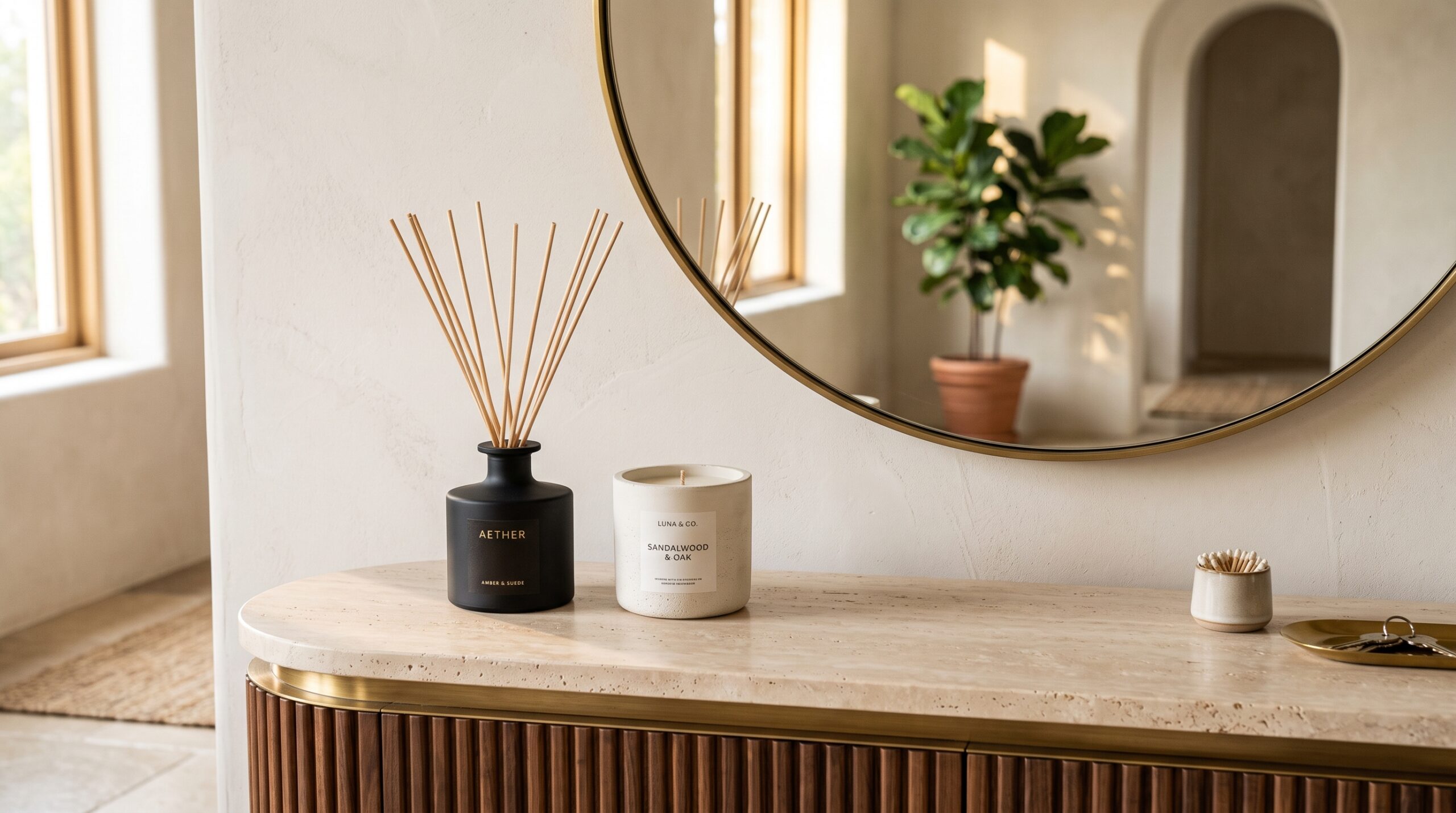
    Your entryway is your home’s scent statement. Place a reed diffuser or small candle near your front door — ideally a welcoming, confident scent like warm amber, cedarwood, or neroli.

    This creates an immediate emotional impression before guests even see the rest of your home.

    5:Simmer Pots: The Free Secret Weapon

    This one costs almost nothing.

    A simmer pot (also called a stovetop potpourri) is simply a pot of water on low heat with natural ingredients added. The warm steam releases incredible fragrance that fills your home naturally.

    The “Luxury Hotel” Simmer Pot Recipe:

    • 2 cups water
    • 1 sliced orange
    • 2 cinnamon sticks
    • 4 cloves
    • 1 tablespoon vanilla extract A few sprigs of rosemary

    Simmer on the lowest heat, add water as needed. Your home will smell like a Michelin-star restaurant within 20 minutes.

    6:Stop Masking — Start Eliminating

    Here’s a hard truth: no amount of expensive fragrance fixes a bad base smell.

    Before you invest in scent products, address the root causes of odor in your home:

    • Deep clean your garbage disposal (baking soda + white vinegar + lemon peel)
    • Wash your sofa throws and curtains monthly —
    • fabric holds odor
    • Empty trash cans before they’re full, not after
    • Place an open box of baking soda in the back of your fridge

    Once the neutral baseline is clean, luxury fragrance products can do their job properly.

    7:The Linen Spray Method (Hotel Trick)

    Ever wonder why hotel pillows smell so good? They use linen sprays — and you can make your own for under $5.

    DIY Luxury Linen Spray:

    • 1 cup distilled water
    • 2 tablespoons vodka (helps fragrance bind and dry quickly)
    • 15 drops lavender essential oil
    • 10 drops cedarwood essential oil
    • 5 drops sandalwood essential oil

    Shake before each use, spray lightly on pillows, sheets, and curtains from about 12 inches away. Let dry before use. The scent lasts 8–12 hours.

    8:The “Scent Zoning” Method

    Not every room should smell the same. Professional scent designers use zoning — matching the scent to the room’s purpose:

    RoomIdeal Scent ProfileWhy
    BedroomLavender, chamomile, sandalwoodPromotes sleep and relaxation
    Living roomAmber, vanilla, light woodWarm, welcoming, social
    KitchenCitrus, basil, fresh linenClean, bright, appetite-stimulating
    BathroomEucalyptus, mint, white teaFresh, spa-like
    Home officePeppermint, rosemary, cedarFocus and clarity

    When each room has its own signature, walking through your home feels like a curated sensory journey — not just a house.

    9:Freshen Your Carpets the Professional Way

    Carpets are scent sponges — they absorb cooking smells, pet odors, and stale air. Most people vacuum and call it done.

    Professionals do this: sprinkle baking soda generously across the carpet, let it sit for 30 minutes, then vacuum. For extra luxury, add 10 drops of your favorite essential oil to the baking soda and mix well before sprinkling.

    Do this once a week and your carpets stop being the problem — and start being part of the solution.

    10:The Forgotten Scent Surfaces: Lightbulbs and Vents

    Two of the most effective — and almost completely unknown — scent distribution methods:

    Lightbulb trick: When a lamp bulb is off and cool, dab 1–2 drops of essential oil directly on the bulb. When turned on, the heat gently warms the oil and releases fragrance into the room. Use citrus or floral oils for best results. (Do NOT use on LED bulbs that get very hot — best for warm-glow incandescent or warm LEDs)

    Vent trick: Place a few drops of essential oil on a small cotton ball and tuck it behind a floor vent or air return. Every time your HVAC runs, it distributes the fragrance throughout your home. Replace every 2–3 weeks.

    11:Buy Fewer, Better Candles

    This goes against most people’s instincts, but hear me out.

    A room with three mediocre candles competing smells like a department store — overwhelming and cheap. A room with one exceptional candle placed intentionally smells like a private villa.

    When shopping, look for:

    • Single or minimal fragrance notes (not 12 things blended together)
    • Cotton wick, not zinc-core
    • Candles from brands that list their ingredients
    • Burn time over 40 hours
    • Dark or matte glass containers (they retain fragrance better)

    Spend $30 on one beautiful candle instead of $30 on six mediocre ones. You’ll notice the difference immediately.

    12:Seasonal Scent Rotation (The Designer’s Calendar)

    The final secret of truly luxurious-smelling homes: the scent changes with the season.

    • Spring: Fresh florals — neroli, peony, light jasmine
    • Summer: Aquatic and citrus — sea salt, bergamot, coconut
    • Autumn: Warm spice — cinnamon, clove, sandalwood, patchouli
    • Winter: Deep and cozy — oud, vanilla, cedarwood, smoked amber

    Rotating your scents keeps your home feeling intentional and alive — not like someone lit the same candle every day for three years.

    Quick-Start Checklist

    Ready to transform your home? Start here this week:

    • Identify your home’s current “problem” smells and address the root causes
    • Choose a signature base note for your main living area
    • Place a reed diffuser at your entryway
    • Make the simmer pot recipe this weekend (your family will ask what’s cooking)
    • Try the linen spray method before you next have guests
    • Swap out one cheap candle for one high-quality option

    Final Thoughts

    Making your home smell expensive isn’t about spending more money — it’s about being intentional. The homes that smell extraordinary are the ones where someone thought carefully about what they wanted guests to feel, and chose their scents accordingly.

    Start with one room. Master that. Then layer outward.

    Your home is your sanctuary. It deserves to smell like one.

    Enjoyed this guide? Pin it for later and explore more scent guides at BespokeScenting.com
  • The Summer Scent Wardrobe Shift: 4 Niche Fragrances for a Quiet Luxury Aesthetic

    The Summer Scent Wardrobe Shift: 4 Niche Fragrances for a Quiet Luxury Aesthetic

    As temperatures climb and humidity shifts, your personal scent identity requires a seasonal evolution. Heavy gourmands, intense oud profiles, and thick, resinous winter ambers that felt comforting in the colder months can quickly become cloying and overwhelming under the summer sun.

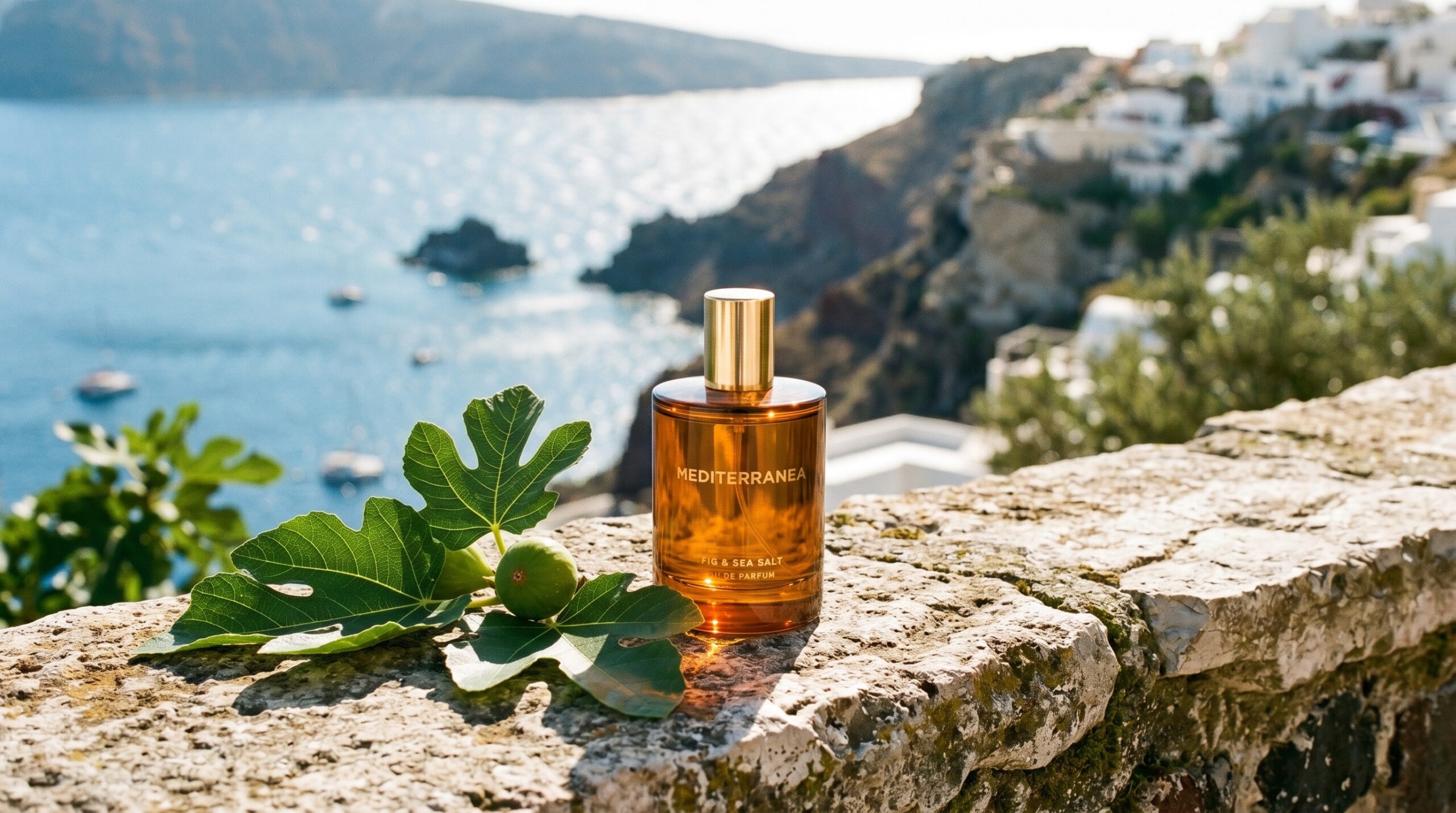
    The ultimate modern fragrance transition isn’t about switching to generic, synthetic supermarket citrus sprays. Instead, the global style elite are embracing the “Quiet Luxury” Mediterranean aesthetic—scents that project effortless wealth, clean linen, crisp mineral marine accords, and sun-warmed botanical gardens.

    If you are ready to update your collection for June 2026, here are the four niche summer scent profiles that define sophisticated warm-weather luxury.

    1:The Mineral Marine Profile (Salty Vetiver & Cold Coastal Air)

    • The Key Notes: Sea Salt, Driftwood, Vetiver, and Ambergris.
    • The Vibe: Sailing along the Amalfi coast on a private yacht.
    • Why It Works: Unlike old-school 1990s “blue” aquatic perfumes that smelled highly synthetic, modern mineral marine profiles rely on earthy vetiver and genuine salt notes. It creates a crisp, dry texture that mimics the smell of sun-dried salt on clean skin and cold ocean breezes.

    2:The Solar Citrus Profile (Cold-Pressed Bergamot & Bitter Neroli)

    • The Key Notes: Calabrian Bergamot, Neroli (Orange Blossom), Petitgrain, and Musk.
    • The Vibe: A crisp, white linen shirt buttoned loosely in a sunlit Italian orchard.
    • Why It Works: Bitter green citrus notes like neroli and petitgrain add an upscale, slightly sharp edge to bright orange or lemon accords. This prevents the scent from smelling like candy, keeping it grounded, incredibly clean, and distinctly high-end.

    3:The Green Botanical Profile (Crushed Fig Leaves & Wild Tomato Vines)

    • The Key Notes: Green Fig, Cedarwood, Tomato Leaf, and Stem Accords.
    • The Vibe: Walking through a shaded, terraced European garden at dusk.
    • Why It Works: Green scents are the epitome of quiet luxury. Notes derived from fig leaf and raw botanical stems offer a milky, woody freshness that feels incredibly sophisticated, natural, and distinct from mainstream floral perfumes.

    4:The Laundry-Crisp Profile (White Musk & Transparent Aldehydes)

    • The Key Notes: Clean Cotton, Aldehydes, White Iris, and Soft Sandalwood.
    • The Vibe: 5-star hotel sheets drying in the afternoon breeze.
    • Why It Works: For individuals who don’t want to smell explicitly like fruit or the ocean, transparent white aldehydes create an absolute bubble of pure cleanliness. It mirrors the crisp, soapy texture of an elite luxury resort spa.

    💡 How to Make Your Summer Fragrance Last Longer

    Heat causes perfume molecules to evaporate at an accelerated rate. To maximize your niche projection without overspraying, follow these two luxury application rules:

    1:Scent Stacking: Layer a matching scent profile body oil or clean, fragrance-free moisturizing lotion immediately before applying your luxury perfume. The oils in the moisturizer trap the fragrance molecules, preventing them from evaporating too quickly in the heat.

    2:Fabric Mist Points: Spray your summer fragrance lightly on the hem of your linen clothing or inside your jacket lining. Fabrics do not produce body heat like skin does, allowing the top notes of your premium fragrance to project steadily for hours longer.

    Editor’s Note: Ready to bring this exact same elevated, ultra-modern luxury aesthetic into your daily workspace? Discover the advanced sensory techniques used by digital entrepreneurs to boost deep focus and cognitive clarity in our ultimate guide to The Desk Sanctuary: How to Scentscape Your Home Office for Deep Focus.

  • The Desk Sanctuary: How to Scentscape Your Home Office for Deep Focus

    The Desk Sanctuary: How to Scentscape Your Home Office for Deep Focus

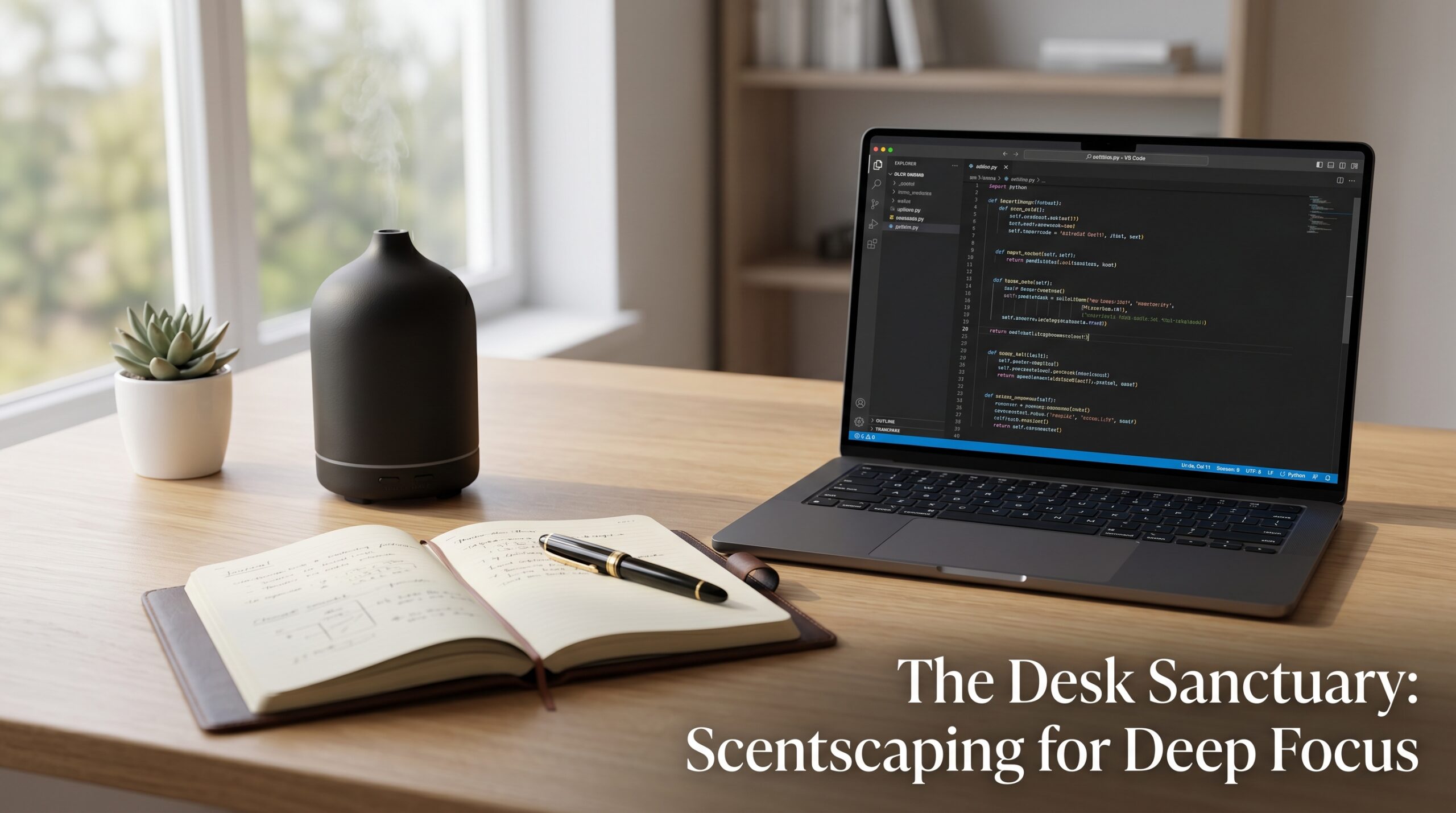
    In the modern era of remote work and digital entrepreneurship, we spend hours perfecting our physical workspaces. We invest in ergonomic chairs, minimalist desks, dual-monitor setups, and pristine lighting. Yet, one of the most powerful hidden levers for cognitive performance is entirely invisible: our olfactory environment.

    Just as world-class luxury hotels use scent to anchor an identity of relaxation, you can use advanced home office scentscaping to program your brain for deep focus, creative flow, and stress reduction.

    Instead of relying on overwhelming synthetic supermarket sprays that cause mid-day headaches, the ultimate modern desk sanctuary utilizes clean, targeted niche note profiles. Here is the science-backed blueprint to scentscaping your workspace for peak productivity.

    1. The Cognitive Science Behind Workspace Scent

    Your olfactory bulb is directly wired to the limbic system—the ancient part of the brain responsible for memory, emotion, and mental clarity. While visual or auditory distractions can break your focus, specific natural botanical compounds can actually lower cortisol (the stress hormone) and stimulate beta brainwaves, which are associated with alert, focused attention.

    By consistently pairing a specific, premium scent profile only with your working hours, you create a powerful psychological trigger. The moment that scent fills your home office, your brain instantly recognizes that it is time to tune out distractions and enter deep work.

    2.The Three Elite Scent Profiles for Productivity

    To build a professional workspace sensory profile, move away from overly sweet or fruity candles. Instead, focus on sharp, clean, grounding raw materials.

    🍃 Profile A: The High-Focus Botanical (Mental Clarity)

    • The Key Notes: Japanese Mint, Rosemary, Eucalyptus, and White Sage.
    • Why It Works: Rosemary contains a compound called 1,8-cineole, which has been shown in clinical studies to improve cognitive performance and speed on mental tasks. Mint notes provide an immediate burst of oxygenating freshness, perfect for clearing morning brain fog.
    • The Vibe: Crisp, invigorating, and hyper-clean.

    🪵 Profile B: The Grounding Executive (Deep Strategy & Writing)

    • The Key Notes: Sandalwood, Virginia Cedarwood, Vetiver, and Crisp Paper Accords.
    • Why It Works: Wood notes contain heavy molecular structures that evaporate slowly, creating a steady, calming atmosphere. Cedarwood and vetiver anchor the nervous system, making them ideal for long writing sessions, coding, or high-stakes financial planning.
    • The Vibe: Rich, cerebral, quiet luxury, and highly structured.

    🍋 Profile C: The Creative Spark (Overcoming Afternoon Fatigue)

    • The Key Notes: Cold-Pressed Bergamot, Italian Lemon, White Tea, and Ginger.
    • Why It Works: Citrus notes are natural mood elevators. When the 3:00 PM slump hits and your energy crashes, bright, sharp citrus accords stimulate the sensory nervous system, offering a clean wave of motivation without the caffeine jitters.
    • The Vibe: Vibrant, sophisticated, and uplifting.

    3.The Best Diffuser Methods for a Minimalist Desk

    An elite scentscape requires a clean delivery system. To keep your desk aesthetic immaculate, choose a method that matches your interior design:

    • Cold-Air Waterless Nano Diffusers: The premium choice for a modern home office. These devices use waterless nebulizing technology to break pure essential oils into a dry micro-mist. They preserve the exact scent integrity of luxury oils without adding humidity to your electronic setup.
    • Architectural Reed Diffusers: Perfect for placement on a console table or shelf directly behind your desk. Choose dark glass or ceramic vessels with thick black reeds to double as a premium decor piece.
    • The Ceramic Scent Stone: For an ultra-minimalist, completely silent setup, use a solid basalt or unglazed ceramic stone. Dropping three drops of a premium niche oil blend onto the stone creates a private “scent bubble” that stays localized directly around your keyboard.

    4.The Golden Rule of Office Scentscaping

    The secret to a professional sensory space is subtlety. Your workspace should never smell heavy or cloying. The goal is an invisible, sophisticated air quality that greets you when you open the door and fades into the background once you begin working.

    Editor’s Note: If you want your entire home to match the pristine, elite energy of your newly optimized workspace, discover the signature fragrance secrets used by the world’s most exclusive hospitality brands. Read our ultimate masterclass on Resort Living: How to Scentscape Your Home Like a 5-Star Luxury Hotel to bring pure opulence into your living room.